Freezing your wedding cake is a wonderful way to save a little piece of your celebration and prolong the magic of your big day.
Many couples choose to keep some cake to enjoy when their photos and videos arrive. Opening a bottle of bubbles and reliving those memories together makes for the perfect post-wedding date night.
The good news is that most wedding cakes freeze extremely well. Fondant covered cakes, buttercream cakes, and even rich fruit cakes can all be successfully frozen. The only exception can be cakes containing large amounts of fresh fruit, as these may release moisture and become slightly soggy once defrosted.
The secret to freezing wedding cake successfully
Timing and preparation are everything.
The sooner your cake is frozen, the better the texture and flavour will be preserved. Just as important is wrapping the cake correctly. Freezer burn occurs when air reaches the cake, so careful wrapping is key to preventing waste.
Can we freeze a whole tier of our wedding cake?
Absolutely.
Many couples choose to save their top tier to enjoy later. Whether that's on their first anniversary or during a special date night after the wedding, keeping a full tier can make the moment feel even more meaningful.
Your cake maker will usually provide a box so the cake can be transported home safely and frozen with ease.
Can all cake designs be frozen?
Yes. Although some decorations may not respond well to the defrosting process.
Hand-painted details, for example. The colours can sometimes run due to condensation as the cake thaws. It's best to remove all decorations before freezing and store them separately if you'd like to keep them.
How long can a wedding cake be frozen for?
The real question might be… how long can you resist the temptation?
Many couples happily enjoy their cake a year later on their first anniversary, and when wrapped and stored properly, the flavour and texture can remain beautifully preserved. Ultimately, the length of time depends on the cake recipe and how well it has been wrapped.
For the most accurate guidance, it's always worth checking with your cake maker, as different recipes can behave differently in the freezer.
Taking your cake home after the wedding
Your cake maker will typically leave a box at the venue so any remaining cake can be taken home safely.
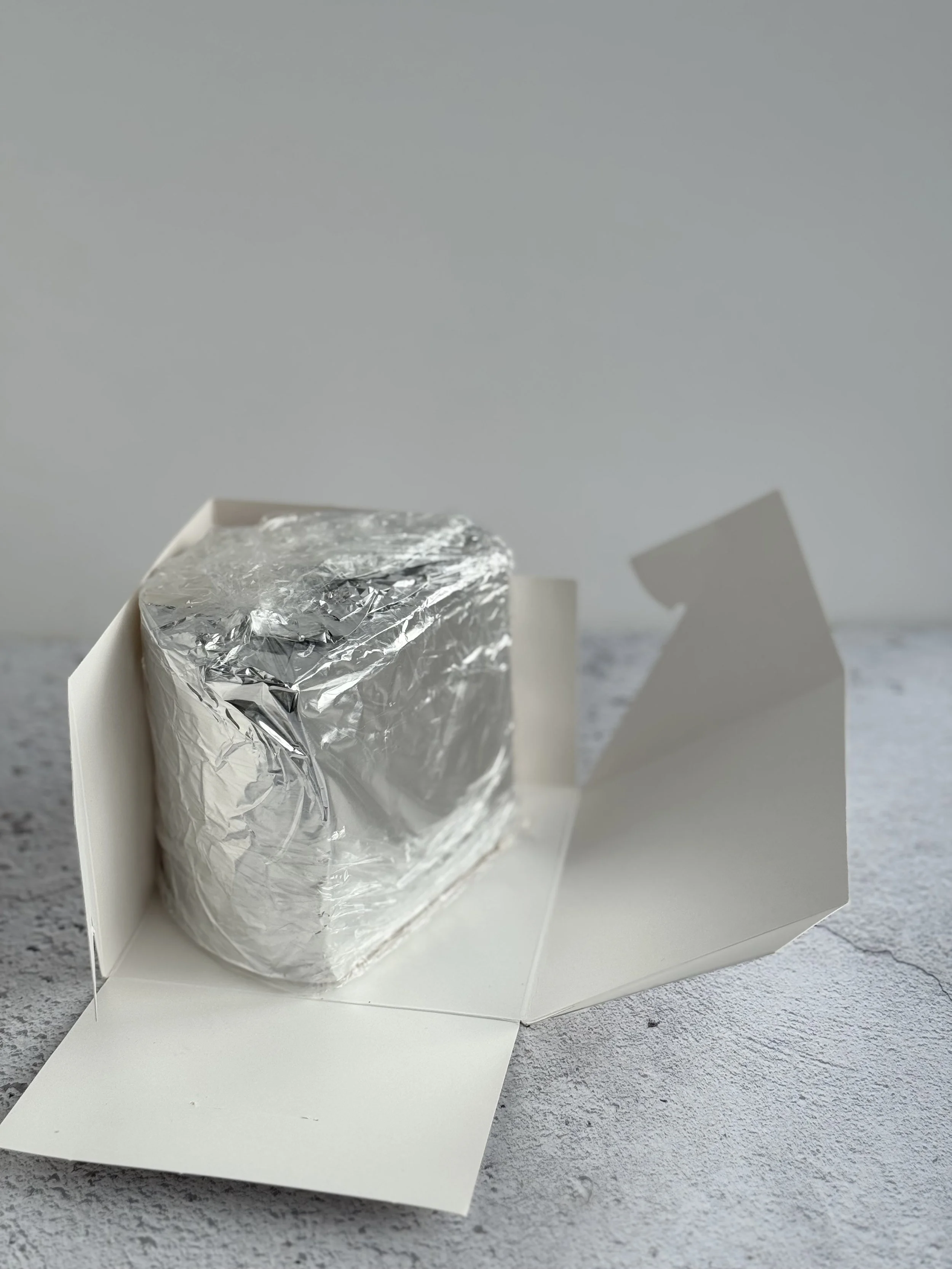
If the cake has an exposed edge, cover it as soon as possible to prevent it from drying out. Foil works particularly well because it can be gently moulded around the cake.
A wedding cake will usually stay fresh for around five days after the wedding, provided exposed areas are kept well covered, giving you a little time before freezing if needed.
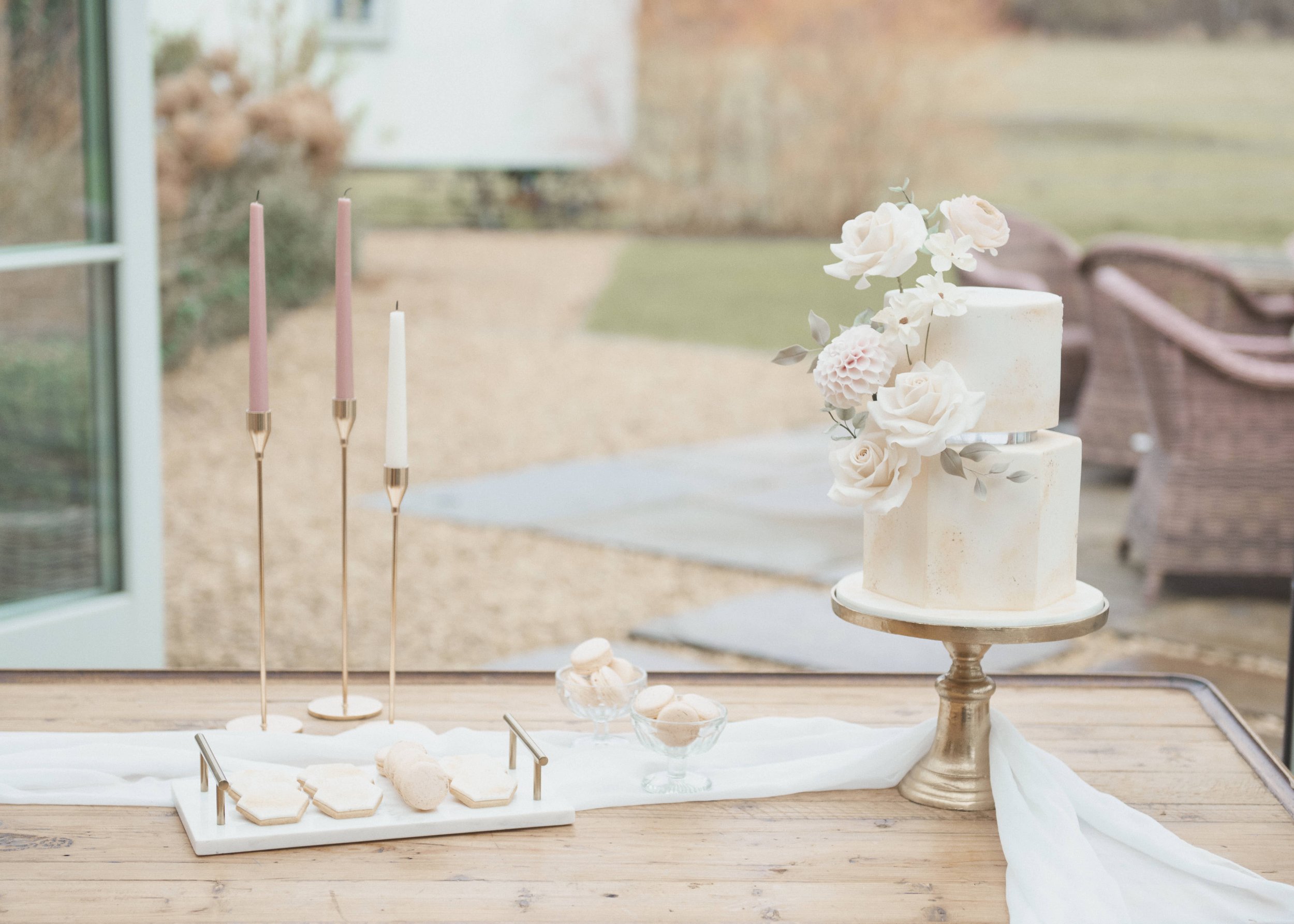
Image credit: Tony Hart photography
How do I freeze a wedding cake?
There are two simple approaches.
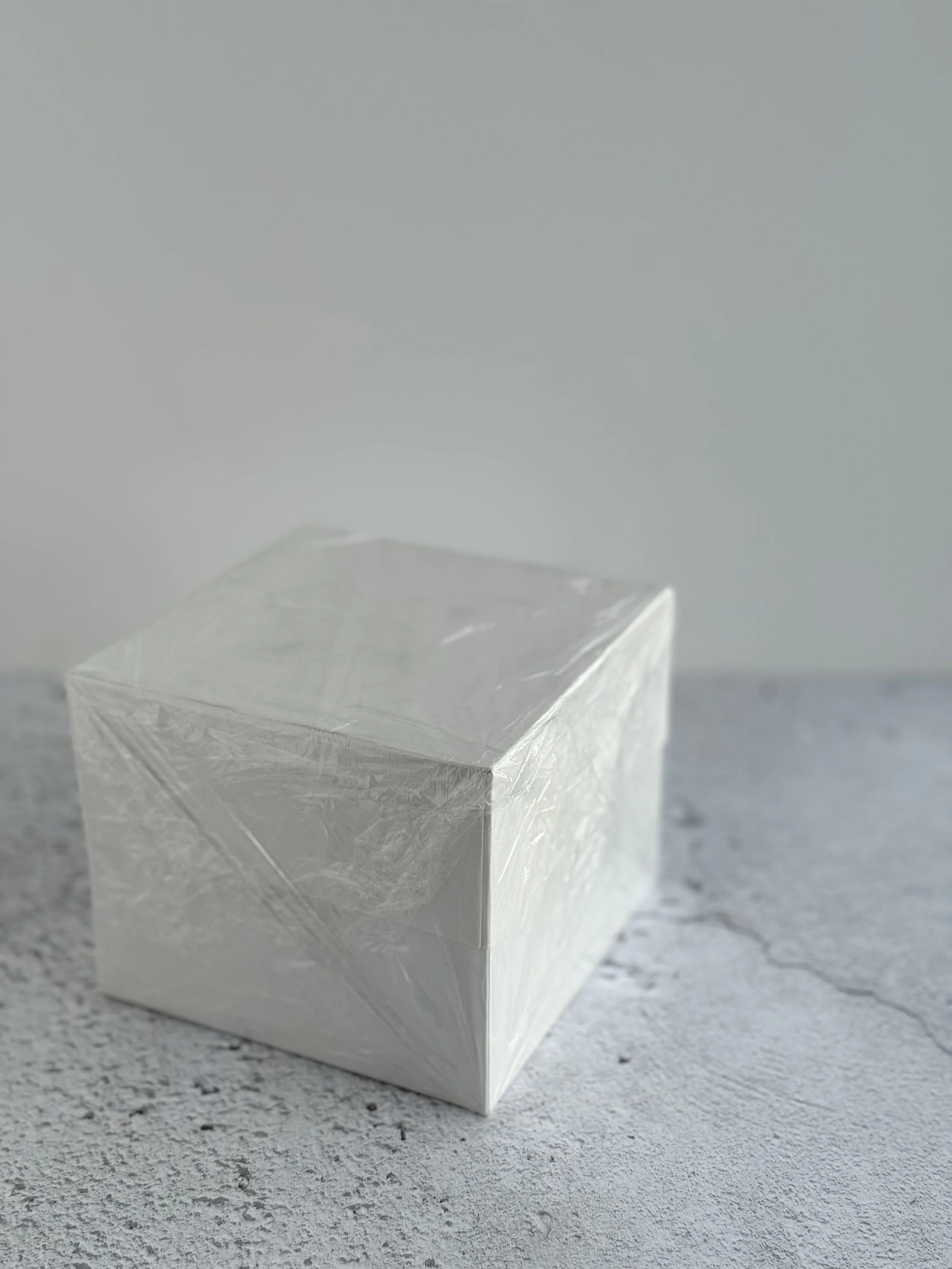
For larger pieces or half a tier:
Wrap any exposed cake edge first with foil
Cover the cake thoroughly in cling film
Place the cake back into its box
Wrap the entire box in cling film before freezing
If the exposed edge becomes slightly dry after defrosting, trim it away to reveal the fresh cake beneath.
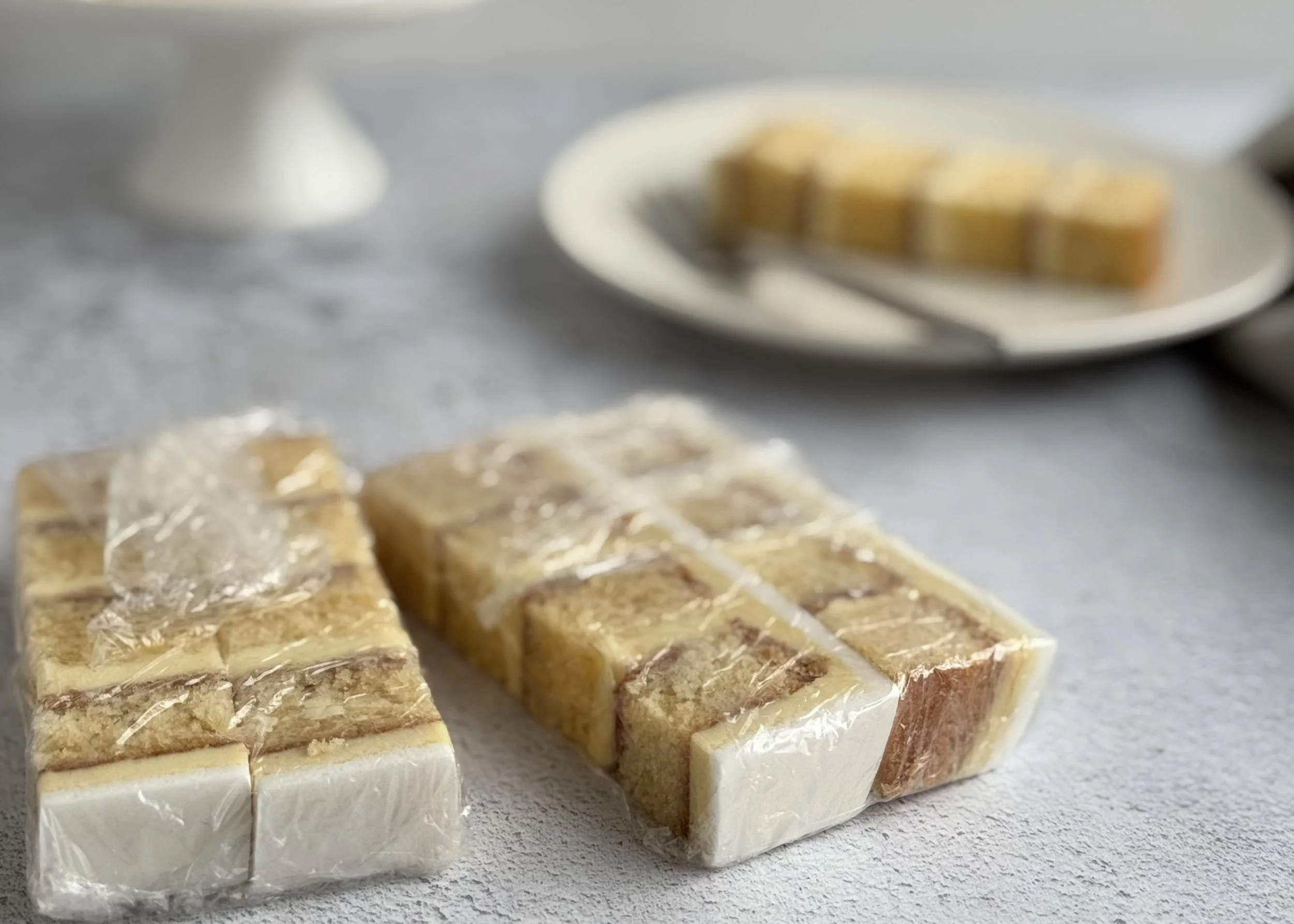
For individual portions:
Slice the cake into portions (if it hasn't already been done).
Wrap slices individually (or in pairs) in cling film
Place wrapped slices into an airtight container or freezer bag